Lower Back and Hip Pain:
7 Frequently Overlooked Causes
The Varieties of Lower Back and Hip Pain
|
Many of my clients experience lower back and hip pain simultaneously. But all too frequently they receive inadequate guidance from their physicians about possible causes and about how to relieve it in a lasting way. |
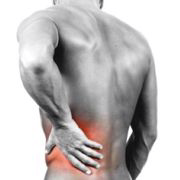 |
When X-rays and MRIs come back negative, a physician without adequate training in the musculoskeletal system may not know what to prescribe other than physical therapy exercises.
The problem with this strategy is that PT can aggravate certain conditions. I'll go into this in more detail with each of the conditions listed below.
The most frequent regions of pain I hear reports about include…
|
Often lower back and hip pain can present as a kind of moving target. Sometimes the pain is centered squarely on the outside of the hip joint near the hip bone.
Other times the pain can wrap around to the gluteal muscles. At times an individual might experience pain in more than one area.
The reason for this medley of possibilities is that muscular compensation is often at the heart of lower back and hip pain.
Further, muscular compensation is a continual process in which muscles are constantly adjusting, trying to figure out how to make do with the circumstances they're presented with such as postural distortion.
For each of the overlooked causes below, click on the link for the full article.
Overlooked Cause #1
Iliopsoas Syndrome
The iliopsoas muscle -- which is actually two muscles, the iliacus and the psoas -- are the primary hip flexors. When this muscle becomes chronically tight it can lead to ischemia (low blood flow), pain and trigger points. This is called Iliopsoas Syndrome.
Learn more
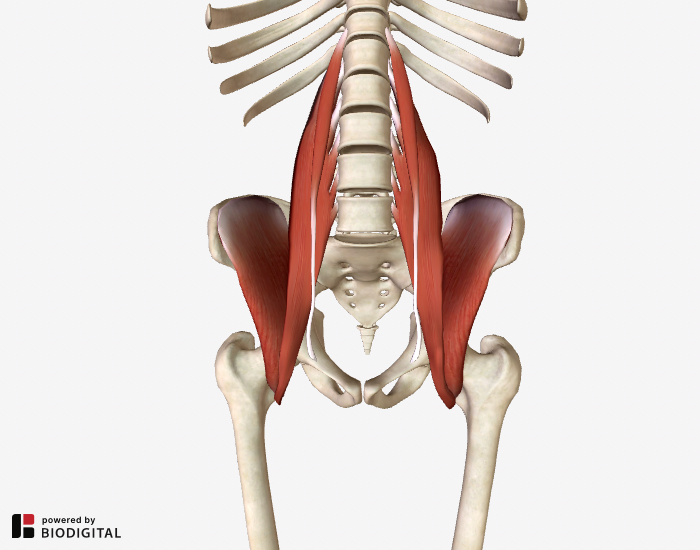 Front view of the right and left Iliopsoas Muscles.
HEALING THE HIDDEN ROOT OF PAIN
|

Overlooked Cause #2
POSTURAL DISTORTION
Postural distortion, which often involves a torsion in the pelvis, can create chronic compensations in both the lower back and muscles of the hip.
Such a torsion, which usually creates a functional leg-length discrepancy, forces the body to hold itself up in gravity by stabilizing the body wherever it needs to in order to maintain an upright posture.
Over time, compensating muscles become ischemic (reduced blood flow to the muscles) which makes them painful and may result in active trigger points.
overlooked cause #3
Piriformis Syndrome
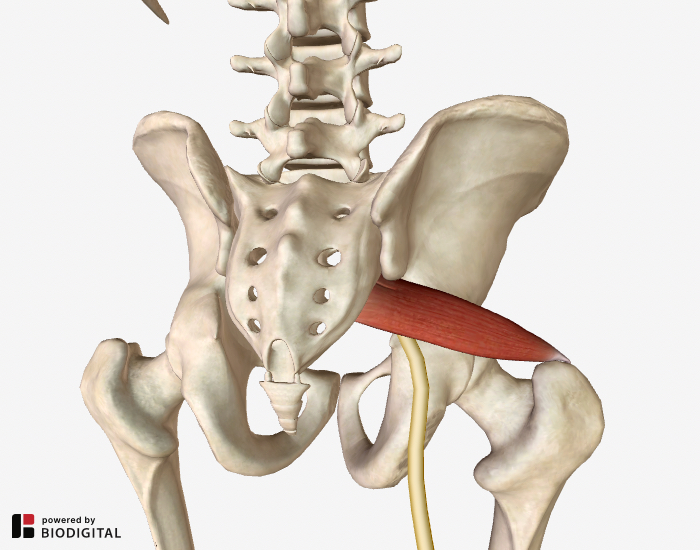
Piriformis Syndrome is the result of the entrapment of the sciatic nerve by a chronically tight piriformis muscle. The sensation of pain is typically located in the buttocks though many individuals may feel pain into the hip joint as well.
Overlooked Cause #4
TIGHT LEG MUSCLES
Tight and short leg muscles is one of the most frequent contributors to pain in the lower back and/or pain in the hip, yet it is one of the easiest to remedy.
If the muscles of the legs are tight and short, compensation may occur in the lower back and hip muscles. This can be easily tested by exploring one’s range of motion.
Can’t touch your toes? Your hamstrings are likely tight. Can’t sit on the ground in a cross-legged position? Your hip muscles are likely tight.
Overlooked Cause #5
MYOFASCIAL TRIGGER POINTS
Myofascial trigger points in muscles such as the quadratus lumborum, gluteals, piriformis, deep hip rotators, and iliopsoas can produce significant lower back and hip pain.
If the pain seems to move around, it can indicate that more than one of these muscles has active trigger points. Such multiple trigger points can present a confusing fluctuation of pain.
Overlooked Cause #6
SACROILIAC JOINT DYSFUNCTION
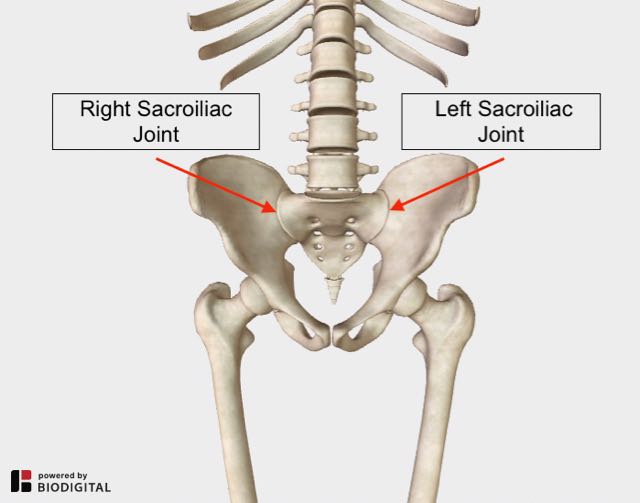
When one of the sacroiliac joints is stuck and unmoving, as can often occur with pelvic torsion (see Postural Distortion above) sacroiliac joint dysfunction may result leading to lower back and hip pain.
Sometimes the pain is located in the stuck SI joint itself. Sometimes the opposite sacroiliac joint may become hypermobile (too loose) as a compensation for the stuck side and the hypermobile SI joint can be the primary source of pain.
Overlooked Cause #7
TENSOR FASCIA LATA DYSFUNCTION

When the tensor fascia lata muscle is dysfunctional — in other words, when it is excessively tight and short and overworking — it has the power to generate significant and often mysterious symptoms of pain.
In addition to pain that seems to originate in the hip joint itself (one of the many "misdirections" tensor fascia lata dysfunction can produce), other potential regions of pain that wraps around the hip, shoots in the gluteal muscles or the sacroiliac joint, or travels down the leg.
Stretching Blueprint for Pain Relief and Better Flexibility
|
Return to Top | Causes Index | Home Page
Anatomy Images Courtesy of BIODIGITAL
go to new course areaolder course area
|


Stephen O'Dwyer, cnmt
Neuromuscular Therapist & Pain Relief Researcher

FOUNDERLower Back Pain Answers |